By Faith Correll, Real Estate Salesperson
For most landowners across Nebraska, buying or selling agricultural land is one of the most significant financial decisions they will ever make. Due to the value associated with agricultural land, farmland and rangeland have become growing targets for fraudulent listing schemes across Nebraska. As technology advances and more of the transaction process moves online, scams are becoming more sophisticated, with unoccupied properties or those owned by absentee landowners being especially vulnerable. This is why it is more important now than ever to work with a real estate professional who stays informed on these evolving threats and helps advocate for and protect your interests throughout the process.
Common Types of Real Estate Scams
Agricultural land transactions generally involve large sums of money, multiple parties, and strict timelines. Throughout the process, buyers and sellers are often communicating with lenders, title companies, attorneys, accountants, inspectors, and real estate professionals through email, text messages, and phone calls. While these forms of communication create efficiency, they also create opportunities for scammers to exploit gaps in communication and impersonate trusted parties.
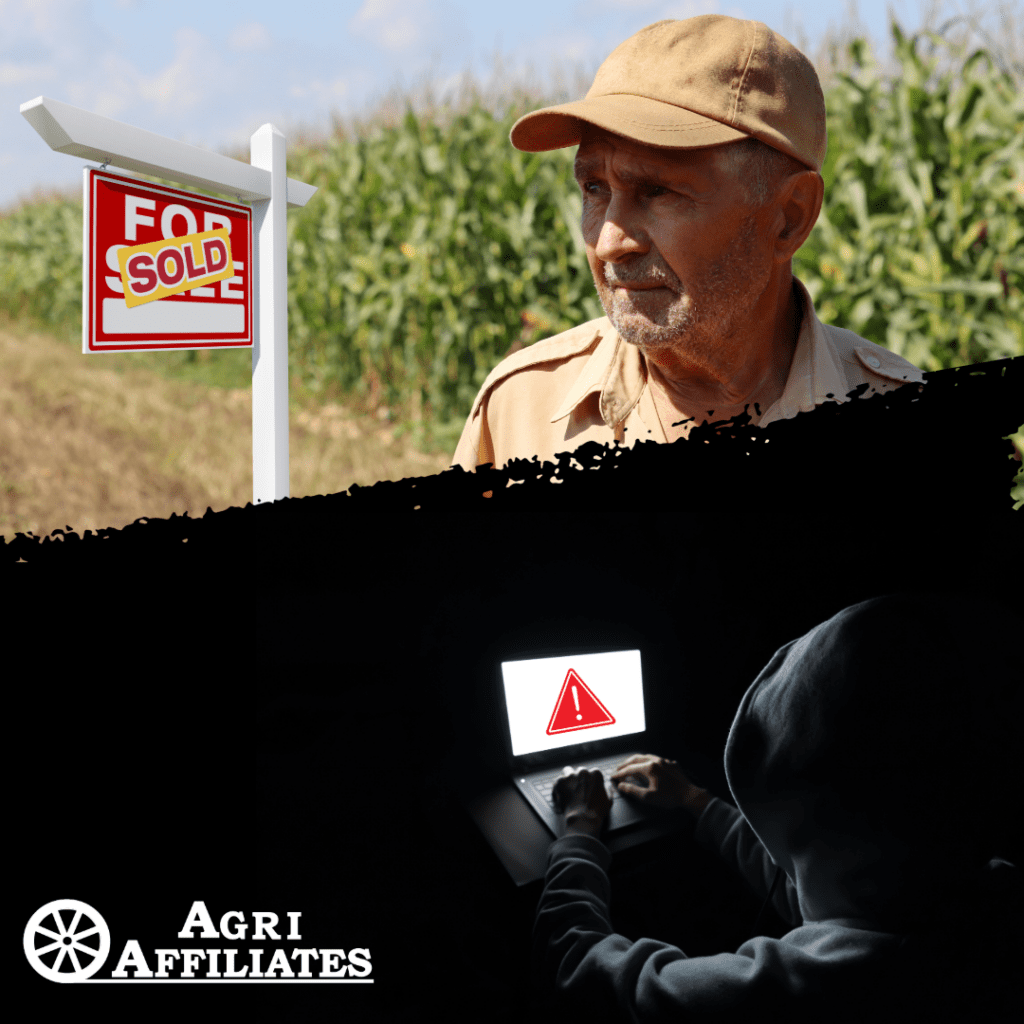
Some of the most common real estate scams include:
- Fake listings or rental scams
- Wire fraud
- Deed fraud
- Investment scams
- Overpayment scams
- Seller impersonation
One of the most common scams on the rise is seller impersonation and fake listings, where a fraudster poses as the owner of a property and attempts to list and collect the proceeds from the sale of the property before the real landowner finds out. In the past year alone, Agri Affiliates has had several individuals contact our offices, attempting to list properties they did not own. Because our team stays educated on the latest scam tactics and follows a verification protocol, we have been able to identify and stop several fraudulent situations before they reach the listing process.
Red Flags to Watch For
Although scams are becoming more sophisticated, there are still warning signs that can help identify fraudulent activity before it causes damage. For landowners and buyers involved in real estate transactions, some common red flags include:
- Unexpected emails containing links or requests for money, especially to unfamiliar accounts.
- Emails appearing to come from someone you know, but with slightly altered email addresses or misspelled domains.
- Last-minute changes to wiring instructions, particularly through email communication.
- Urgent or secretive payment requests pressuring you to act immediately without verification.
- Refusal to communicate by phone or meet in person.
- Sellers who avoid providing identification or ownership documentation, or who are unfamiliar with local contacts and neighboring landowners.
Scammers often rely on urgency and confusion to prevent people from slowing down and verifying information. In agricultural real estate, where transactions are more likely to involve absentee landowners or properties that have not changed hands in decades, these tactics can be especially effective if the right verification steps are not in place.
Best Practices for Prevention
Just because scammers are becoming more advanced does not mean you are automatically going to become a victim. Awareness and proper verification procedures can significantly reduce the risk.
The best thing you can do is verify, verify, verify.
Some important preventative practices include:
- Always confirm wiring instructions by calling a trusted phone number you already know, not one provided in an email.
- Verify any changes to financial instructions directly with your lender, title company, or attorney.
- Use phone calls when communicating sensitive information.
- Be cautious of pressure to act immediately.
- Monitor property records, especially if you own vacant land, inherited parcels, investment properties, or other properties you do not actively occupy or operate.
- Work with reputable real estate professionals, lenders, attorneys, and title companies that stay informed about current scams and security procedures.
Some Nebraska county register of deeds offices are also beginning to implement additional safeguards, such as notification systems or verification holds before recording property changes, helping add another layer of protection for property owners. If this is a service your county offers, it may be worthwhile to take this step toward protecting your land.
The Role of Real Estate Professionals
Real estate professionals play an essential role in helping protect clients throughout the transaction process. Establishing and maintaining strong relationships with clients through ongoing communication can help reduce confusion and limit opportunities for fraud.
At Agri Affiliates, we have been able to prevent several fraudulent listing attempts involving seller impersonation. Because we stay current on evolving scam tactics, we have procedures in place to identify suspicious activity early and stop problems before they progress. When someone contacts our office about listing a property, we take additional steps to verify their identity and confirm ownership before moving forward. Our team’s strong involvement in communities throughout Nebraska and other states served also provides an added advantage that we bring to every transaction. Through longstanding relationships and local connections, we often have firsthand knowledge of landowners, tenants, operators, and neighboring property owners. If someone contacts our office regarding a property and something does not add up, we have the local connections to make a quick call and confirm whether a situation is legitimate. This may include reaching out to a neighboring landowner, a local tenant, or directly to the owner of record to verify their intent to sell.
Taking these additional steps helps prevent fraudulent listings from entering the market and helps protect both property owners and prospective buyers. A knowledgeable real estate professional, who knows the land, area, people involved, and can recognize suspicious activity upfront, is often one of the strongest lines of defense against fraud and can help guide clients through a smooth and safe transaction process from beginning to end.
Bottom Line
Technology will continue to advance, and unfortunately, scams will continue to evolve alongside it. However, most real estate scams are preventable with awareness, caution, and proper verification procedures.
Verification, secure communication, and trusted professional guidance remain the strongest defenses against fraud. When something feels unusual, rushed, or inconsistent, it is always worth taking the time to confirm information before sending money or signing documents.
In real estate, a simple verification step can protect one of the most important financial investments a person will ever make.
At Agri Affiliates, our mission is to help clients achieve their real estate goals while protecting their interests throughout the process. By staying educated, maintaining close communication with our clients, and relying on decades of experience and deep community connections, we remain committed to helping prevent fraud and guiding clients through safe and successful transactions. If you are interested in having a conversation about how to best protect your land, farm, ranch, or real estate investments from potential fraud, we would welcome the opportunity to visit with you. Whether you are considering selling, purchasing, leasing, or simply wanting to better understand today’s risks, our team is here to help provide guidance and peace of mind throughout the process.