By Bart Woodward, ARA, Certified General Appraiser, Real Estate Broker, and Farm Manager
Agricultural appraisals are about more than putting a dollar amount on a property. They help families, landowners, lenders, attorneys, and investors make informed decisions during some of life’s most significant moments, whether that’s buying or selling land, settling an estate, refinancing an operation, or planning for the next generation.
Every Property Has a Story
No two agricultural properties are exactly alike, and no two appraisal assignments are either.
Some appraisals are completed for a land sale or refinance. Others are part of estate planning, family transitions, partnership dissolutions, or legal matters. Understanding the “why” behind the appraisal shapes the entire process: the questions asked, the details prioritized, and the context brought to the final opinion of value.
In agriculture, there is often more emotion tied to the land than people expect. Many farms and ranches have been in families for generations. The ground itself carries history, legacy, and meaning that go well beyond its market value. That matters, and it shows in how every assignment is approached.
The Research Starts Long Before the Field Visit
Before I ever pull onto a property, I’ve usually put in several hours at the office.
That means reviewing legal descriptions and ownership records, soil maps and productivity ratings, FSA records and crop history, irrigation systems and water rights, lease agreements, and improvements like grain bins, livestock facilities, homes, and outbuildings, alongside a thorough look at recent market activity and comparable sales in the area.
I also want to know whether the tillable acres on paper match what the aerial actually shows. They don’t always, and that gap usually means something.
On paper, two farms may look similar. In practice, small differences in soils, drainage, layout, water access, or location can move the number significantly. I’ve seen a quarter section of Class II ground outperform Class I simply because of water access. Details matter.
Time Spent on the Property Matters
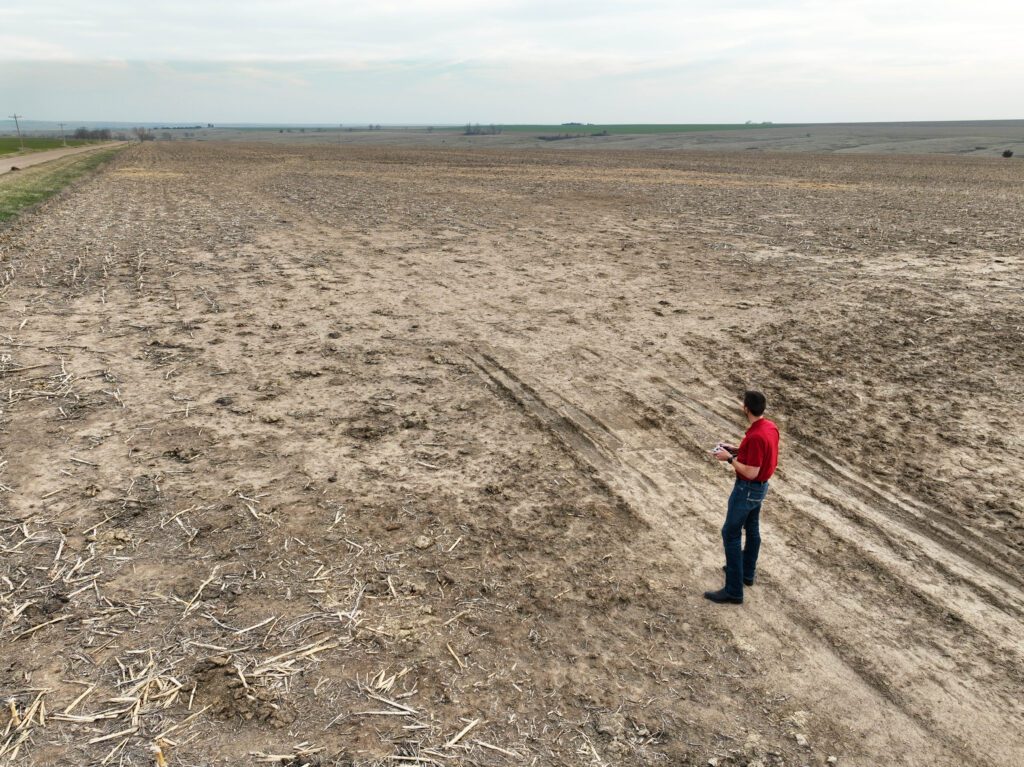
One of the most important parts of the appraisal process happens outside the office.
You can tell a great deal about a farm just by walking it: how the tile outlets look, whether the terraces are holding, whether the bins have been maintained or left to weather. A farm that has been cared for shows it, and so does one that hasn’t.
Inspecting a property provides context that maps and aerial images simply cannot. I look at drainage, terrain, access, current land use, and the condition of every improvement on the place. Sometimes it’s the details that tell the bigger story: a well-maintained shelterbelt, evidence of conservation practices, updated irrigation equipment, buildings that have clearly been looked after for decades.
Agricultural land changes with weather, management decisions, and markets. Seeing the property firsthand is an essential part of delivering a credible, well-supported opinion of value, and honestly, it’s the only way to produce a report that can be properly defended.
Understanding the Market Is More Complex Than It Looks
Researching the market and analyzing comparable sales sounds straightforward until you realize how rarely two properties are truly alike.
I’ll spend significant time on market data before I begin to write the appraisal. What I’m after is what ground is actually trading for, not the asking price, but the final price, along with the circumstances behind it. I want to understand what is driving the market, which includes the motivation of the buyers. Additional factors include rental rates, commodity trends, cost of operation, and financing conditions.
If all you’re doing is dividing the sale price by acres, you’re not appraising, you’re averaging.
“You have to understand why a farm sold and how the purchase price was achieved.”
Turning Information Into a Credible Opinion of Value
Once the inspection and research are complete, everything is brought together and analyzed using professional appraisal methods, established industry standards, and decades of experience.
The final report reflects all of it: the data, the market analysis, the fieldwork, and the professional judgment that ties it together. What may look like a clean, organized document on the outside represents hours of detailed work done carefully behind the scenes.
More Than Just Numbers
Agricultural appraisals are not only about land values. They are about helping people navigate important decisions with reliable information.
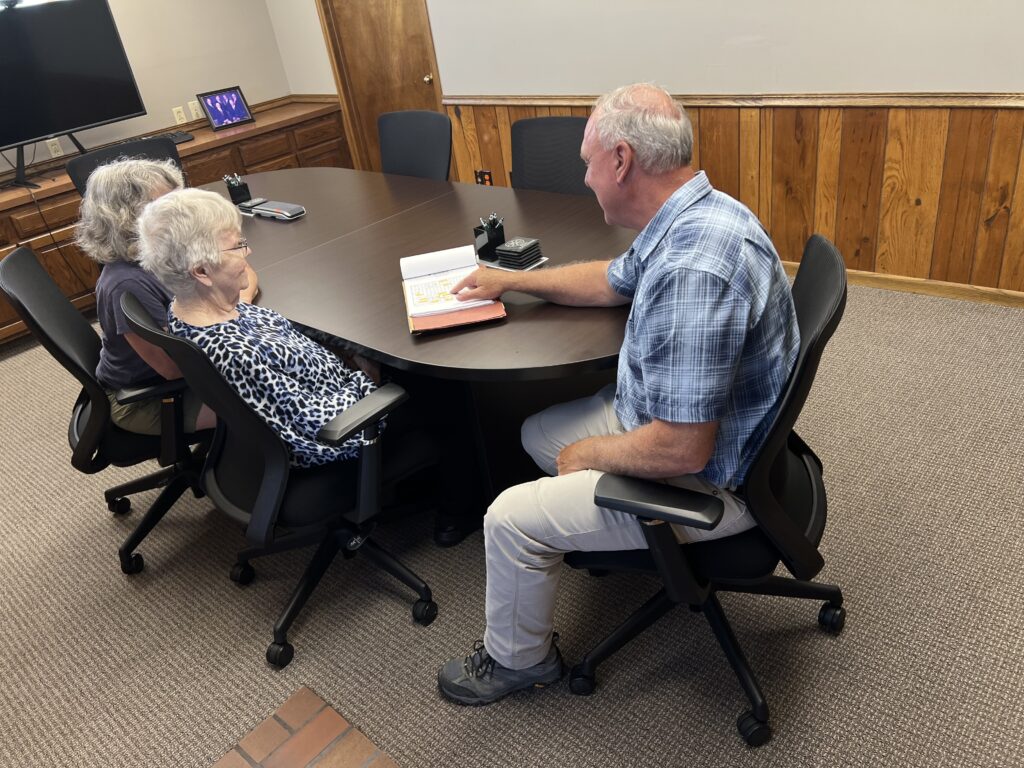
For some clients, an appraisal is part of an exciting purchase or investment. For others, it arrives during a harder season: an estate that has to be settled, a family transition, or a legal matter requiring an objective, credible valuation. Either way, the number on the final page has to be something a client can count on without second-guessing themselves six months later.
Agriculture is deeply personal for many families. The land is a livelihood, a legacy, and for many, a connection to generations that came before, the last thing a grandfather built. It deserves a real look, not a formula.
That is why the work behind agricultural appraisals matters. Every property has a story, and every valuation carries real weight for the people and families attached to it. At Agri Affiliates, that’s not something we take lightly.